
Product details in English
My First 101 Emotions: Search & Find Coloring Activity Book for Toddlers
Search & Find challenges and Match the Pairs memory games
Ages 2–5
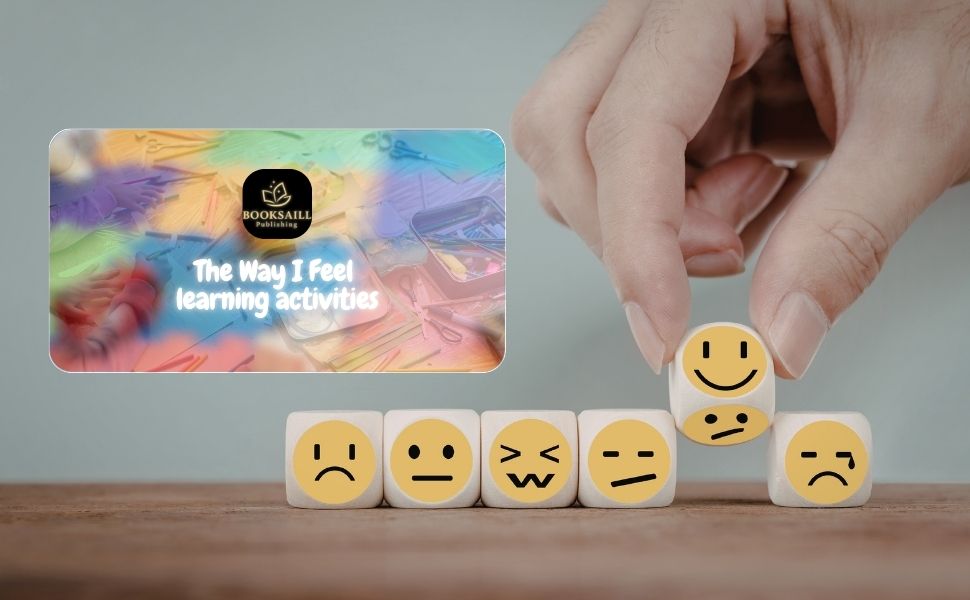
Talking to a child about anger, sadness, or fear can be a huge challenge for us parents. Children often don’t understand what is happening in their bodies when strong feelings take over. Shared reading and calming play create a safe space to name and tame what is difficult.
This guide will show you where to start and – most importantly – how to help your child process these feelings once you close the book. I’ve broken it down into simple, practical sections:
At the end, you’ll also find a quick quiz to help you easily choose the best activity and book for your toddler’s current needs.
If you need a quick decision, choose the category that best fits your child's needs today:
Educational coloring books.
Perfect for daytime calming.
Bedtime story.
Builds a sense of security.
Shared reading with Dad.
Strengthens ties and brings joy.
Choosing the first book about emotions depends on the child’s age and sensitivity. In the beginning, it’s best to focus on simplicity and clear messages. Here is an absolute classic we recommend for starting your home library:
The Way I Feel - Janan Cain This is a true global bestseller in the category of emotion books for toddlers. Why is it so effective?
Once the child learns the basic names of emotions through such readings, it’s worth taking action. Depending on the age, remember a simple rule:
Reading the book is only half the battle. As specialists from the Child Mind Institute note, when a child throws a tantrum, their rational part of the brain literally “disconnects” from the emotional one. Attempting logical explanations (“it’s just a tiny scratch on the toy”) during a meltdown is doomed to fail.
So, what should you do when you see a storm coming?
Once emotions are safely named, the energy needs to find a physical outlet.
Have you noticed that children often reach for crayons when they are overstimulated? This is no coincidence. Coloring slows down breathing and has an incredibly soothing effect on the nervous system.
Practical solution:
A great choice for afternoon calming is our coloring book My First 101 Emotions Coloring & Activity for Kids. It’s relaxation and mindfulness training in one, allowing toddlers to name what they feel in a completely safe format.
Evening is a time when emotions often erupt with double the force, making it hard to fall asleep. If you want to avoid prolonged negotiations before bed, apply two simple rules:
After this time, reach for a soothing bedtime story that slows down racing thoughts and reminds them of unconditional love.
Our proposals for a peaceful sleep:
To build evening closeness, dedicated stories work perfectly:
Tip: Remember that routine is key. Repeating the same calming book at night gives your child the greatest sense of security.
Want to test our materials with no commitment tonight?
👉 Download: Free calming coloring page for kids
During the tantrum itself, primarily try to understand the child and actively listen to find out exactly what their frustration stems from. Your full, undivided attention is the most important thing at this moment. For a longer conversation, reading books about emotions, and drawing conclusions for the future, choose a quiet afternoon when your toddler is naturally relaxed and willing to cooperate.
Use validation. Simply say: “I see that you are very sad” or “You have the right to be angry.” Feeling understood is often enough to lower the tension. Remember also to praise even the smallest attempts at self-regulation during calm moments, like taking a deep breath.
A combination of repetition, no blue light, and giving the child the initiative. A great routine is: 5 minutes of free play + short relaxation with a coloring book + reading the story I’ll Always Love You, which reinforces the feeling of unconditional love.
Developing emotional intelligence is a marathon, not a sprint. Books about emotions are a great starting point, but remember to supplement them with tools that allow regaining balance. Choose what your child needs most:
Ideas for reading, play, and family routines.
Gentle stories to read together before bed.
Explore arrow_forwardUnderstanding feelings and building resilience.
Explore arrow_forwardPeaceful nights and familiar routines.
Explore arrow_forwardBuilding a bond based on trust.
Explore arrow_forward